Shandong Longxiang New Materials Co., Ltd.
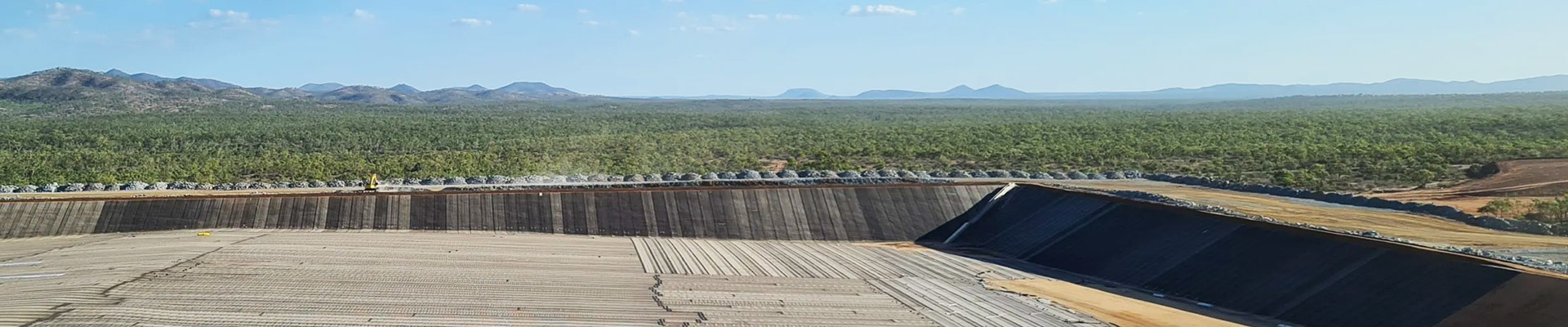
HDPE Liner Engineering Guide for Buyers
Release time:
2026-06-26
Compare HDPE liner options, thicknesses, and installation best practices to choose the right geomembrane liner for your project.
If you are comparing an hdpe liner with a broader polyethylene liner, the easy part is finding product pages. The hard part is sorting out what the material names actually mean, which thickness belongs in which job, and how much of your long-term risk comes down to seam welding, wrinkles, and inspection.
That is also where a supplier like Longxiang New Materials starts to matter, because engineering buyers usually need more than a catalog shot and a thickness list. They need clear specs, standard references, and a fast way to match a liner to landfill, mining, pond, or reservoir work.
HDPE geomembrane liners are high-density polyethylene barrier sheets used for containment and anti-seepage in landfill, mining, water, aquaculture, and environmental protection.
Common HDPE liner thicknesses include 0.75 mm, 1.00 mm, 1.50 mm, 2.00 mm, and 2.50 mm.
EPA guidance treats polyethylene geomembranes, including HDPE and LDPE, as primary hydraulic barriers in landfill capping and bottom-liner systems.
Understanding HDPE and Polyethylene Liners
An HDPE geomembrane liner is a high-density polyethylene barrier sheet built to stop seepage in applications like landfill cells, mining pads, reservoirs, aquaculture ponds, and environmental containment, as shown on Longxiang New Materials' HDPE geomembrane page. In plain English, it is the tougher, more chemical-resistant branch of the polyethylene family, and that is why it keeps showing up in harsher containment jobs.
The broader polyethylene category includes HDPE, LDPE, and LLDPE. EPA guidance for landfill systems treats polyethylene geomembranes as the primary hydraulic barrier in capping and bottom-liner systems, which is the practical reason buyers need to care about the difference between a generic polyethylene liner and a specific HDPE spec, as laid out in the EPA Solid Waste Disposal Facility Criteria Technical Manual and the EPA Guide for Industrial Waste Management.
HDPE is the specific material name. Polyethylene liner is the umbrella term.
HDPE vs. Polyethylene Liners
For engineering buyers, the naming issue matters because “polyethylene liner” can still leave you with three very different material families on the table. HDPE sits inside that group, while LDPE and LLDPE cover softer or more flexible options that may fit different site conditions.
HDPE is generally chosen when chemical resistance and durability matter more than flexibility. That makes it a common fit for aggressive containment work, while the broader polyethylene liner label is only useful once you know which resin class the project actually needs.
Market Outlook for HDPE Geomembrane Liners
The demand picture is not subtle. The global HDPE and LLDPE geomembrane market was valued at USD 1.4 billion in 2023 and is projected to reach USD 1.6 billion in 2026, with a 5.6% CAGR from 2024 to 2030, according to Grand View Research.
Take a wider view and the broader geomembranes market reached USD 4.1 billion in 2025 and is forecast to hit USD 7.2 billion by 2034 at a 6.16% CAGR, based on IMARC Group. For buyers, that usually means two things at once: more supply options and more pressure to lock down the right material class early, especially for large civil and environmental jobs.
Scale matters because supply chains tighten fast when infrastructure and environmental work move at the same time.
Asia Pacific Market Leadership
Asia Pacific held 56.5% of global HDPE and LLDPE geomembrane revenue in 2023, making it the largest regional market. That tells you where a huge slice of manufacturing capacity and day-to-day demand already sits, which is one reason sourcing conversations often run through established producers in China and the wider region.
Typical HDPE Liner Thicknesses and Applications
The thickness menu most buyers will see is straightforward: 30 mil (0.75 mm), 40 mil (1.00 mm), 60 mil (1.50 mm), 80 mil (2.00 mm), and 100 mil (2.50 mm). Those numbers are not cosmetic, because thickness directly affects tensile strength, puncture resistance, handling during installation, and how much abuse the finished containment system can take.
A useful reference point is that 60 mil smooth HDPE carries a tensile strength at break of 126 lb/in (22.1 kN/m), based on EFI USA HDPE geomembrane specifications. Once you get into real project risk, a thin sheet that saves money upfront can become the expensive choice if the subgrade is rough, the loads are heavier, or the liquid being contained is more aggressive.
For application matching, 30 mil liners are typically used for ponds and reservoirs, while 60 mil or thicker is the usual call for landfill, mining, and hazardous waste containment. New Mexico’s landfill rule sets the minimum at 60 mil, and EPA guidance points the same direction because durability and seam weld capacity both matter once the liner is part of a regulated containment system, as reflected in New Mexico Administrative Code § 19.15.36.14.
Thickness is not a cosmetic upgrade. It is a performance decision.
Thickness Selection by Application
Lighter gauges in the 0.5 to 1.0 mm band are commonly suited to aquaculture and pond work where chemical exposure and loading are usually less severe. Heavier gauges in the 1.5 to 2.5 mm band are the standard territory for landfills, mining sites, and hazardous waste jobs, where the liner has to hold up under tougher service conditions.
EPA-backed landfill practice centers on a minimum 60 mil liner because weld quality and long-term durability are part of the containment system, not an add-on detail. If your job includes steep side slopes, rough subgrade, or difficult chemical exposure, this is usually the point where “cheap enough” stops being useful as a buying standard.
Longxiang New Materials HDPE Liner Products
Longxiang New Materials offers HDPE geomembrane liners from 0.5 mm to 3.0 mm in both smooth and textured finishes, with product pages and application details on its HDPE geomembrane sheet listing and its environmental protection case page. The range covers landfill, mining, aquaculture, agriculture reservoirs, shrimp ponds, fish ponds, biogas digesters, and hazardous waste containment, which is the kind of spread buyers want when one supplier may need to support more than one project type.
The company states compliance with ASTM GRI-GM13, which is the standard most buyers will look for when they want a familiar baseline for material quality and performance. In practical terms, that puts Longxiang New Materials in the conversation for buyers comparing broad geosynthetics suppliers that serve the same civil and environmental work, including solmax, naue, geosynthetics, espgeosynthetics, skaps, gseworld, geofabrics, and heytex on the liner side, plus tensarcorp, carthage, maccaferri, and tenax where reinforcement and adjacent infrastructure categories often overlap in the same bid package.
No supplier is perfect for every job. Longxiang’s main limitation is the same one many overseas manufacturers face for some buyers: you still need to confirm lead time, shipping terms, and project support details early instead of assuming domestic-style turnaround.
Product Features and Certifications
Smooth liners are typically used where the surface is flat or the slope is low, while textured liners are used when extra friction matters on side slopes. ASTM GRI-GM13 gives buyers a known yardstick for material and seam performance, which is more useful than vague promises about durability.
Installation Best Practices for HDPE Liners
A good hdpe geomembrane liner can still fail in the field if the install crew gets the basics wrong. Panels should be loosely laid so they can move with thermal expansion and contraction, rather than being pulled tight and forced into stress before the system is even covered.
Wrinkles should not exceed 6 inches in height or fold under load, because trapped folds create weak spots and ugly seam conditions. Minimum seam overlap is 4 inches for hot wedge, hot air, chemical fusion, adhesive, inseam tape, and cover strip seams, while extrusion-welded seams need 3 inches, based on the EPA technical memorandum on polyethylene geomembrane welding and USDA NRCS Construction Specification 97.
Those numbers are small. The consequences of missing them are not.
Installation quality also depends on testing and inspection discipline, not just welding equipment. Seam integrity is commonly checked under methods such as ASTM D6392, and federal landfill rules require inspection for uniformity, damage, holes, cracks, and thin spots during and after construction, with weekly checks and added inspections after storms under 40 CFR § 264.303.
Inspection and Quality Assurance
Inspection should include seam tightness and a close look for tears, punctures, and blisters. Regular monitoring is what keeps a containment system acting like a barrier instead of turning into an expensive excavation later.
FAQ
What HDPE liner thicknesses can Longxiang New Materials supply?
Longxiang New Materials lists an HDPE liner range from 0.5 mm to 3.0 mm with smooth and textured surface options. That gives buyers room to source lighter pond grades and heavier containment grades from the same supplier, but exact project fit still depends on slope, chemical exposure, and regulatory requirements.
Does Longxiang New Materials offer liners for ponds and aquaculture?
Yes. The listed application range includes aquaculture, agriculture reservoirs, shrimp ponds, and fish ponds, which makes the catalog relevant for water-retention work as well as heavy containment jobs. The limitation is that buyers still need to match the selected thickness to the actual loading and subgrade conditions instead of treating all pond projects as low-risk.
Is Longxiang New Materials limited to HDPE liners only?
No. Longxiang New Materials is a broader geosynthetics supplier with products that extend beyond HDPE geomembranes into categories such as geogrids, geotextiles, drainage materials, and related civil-engineering products. That breadth is useful if one project includes containment, reinforcement, and drainage, though some buyers may still prefer separate specialist vendors for highly complex packages.
What is the difference between an HDPE liner and a polyethylene liner?
A polyethylene liner is the broad material family name covering HDPE, LDPE, and LLDPE. An HDPE liner is one specific type within that family, usually chosen when higher chemical resistance and durability are the priority.
What thickness is usually used for landfill containment?
For landfill work, 60 mil is the usual minimum reference point because durability and seam weld performance are central to the design. Thicker options can make sense when the project has harsher chemicals, rougher subgrade, or tougher service demands.
Choosing the Right Buyer Path
If your project is a pond, reservoir, shrimp farm, or similar water-retention job, start with the service conditions and work upward from the lighter gauges instead of buying thickness you do not need. If the job is landfill, mining, or hazardous waste containment, begin with the regulated minimums, slope demands, and weld quality requirements, then rule out anything that looks underbuilt.
That is where Longxiang New Materials earns a serious look: a wide 0.5 mm to 3.0 mm range, smooth and textured options, ASTM GRI-GM13 compliance, and applications that line up with real civil and environmental work instead of vague marketing language. The smart decision is not “which brand sounds biggest,” but which supplier can give you the exact liner type, thickness, surface, and application fit your site actually needs, with enough technical clarity to move from inquiry to RFQ without guesswork.
PROJECT CASES

CONTACT US
Email : longxiang@lxgeosynthetics.com
Add : Room 2416, Building 6, China Resources Landmark Plaza, Lixia District, Jinan City, Shandong, China Province
GET A FREE QUOTE
Copyright 2025 : Shandong Longxiang New Materials Co., Ltd. Privacy Policy