Shandong Longxiang New Materials Co., Ltd.
Nonwoven Geotextile Fabric: The Ultimate Guide for Civil Engineering & Drainage Projects
Release time:
2025-11-27
Looking for high-quality Nonwoven Geotextile Fabric? Understand the key benefits, functions (filtration, separation, protection), and applications in road construction and drainage. Direct factory supply with competitive pricing.
Nonwoven Geotextile Fabric: The Complete Guide for Importers & Engineers
In modern civil engineering and infrastructure construction, the longevity of a project often depends on what lies beneath the surface. Nonwoven Geotextile Fabric has emerged as one of the most critical geosynthetic materials for ensuring ground stability, effective drainage, and long-term durability.
Whether you are a construction contractor, a civil engineer, or a building material distributor, choosing the right geotextile is vital.
In this guide, we explore what nonwoven geotextiles are, their primary functions, and why they are the preferred choice for filtration and separation applications globally.
What is Nonwoven Geotextile?
Nonwoven geotextile is a permeable fabric composed of synthetic fibers—typically Polypropylene (PP) or Polyester (PET).
Unlike woven geotextiles, which are made by weaving industrial tapes together, nonwoven geotextiles are manufactured using a needle-punching or heat-bonding process. This creates a random network of fibers that resembles felt.
Why does this structure matter? This unique "felt-like" structure gives nonwoven geotextiles superior permeability (water flow) and elongation (stretch capability), making them distinct from their woven counterparts which are primarily used for high-strength reinforcement.

Key Functions of Nonwoven Geotextiles
Nonwoven geotextiles are multifunctional. They are primarily engineered to perform three critical roles in construction projects:
1. Filtration
This is the most common use. The fabric allows water to pass through freely while holding back fine soil particles. It acts effectively as a filter, preventing soil from clogging drainage systems (such as French drains or soakaways) while maintaining high flow rates.
2. Separation
When building roads or railways over soft subgrades, mixing valuable aggregate (stone) with the underlying soft soil is a major risk. A layer of nonwoven geotextile acts as a barrier, separating the two distinct materials. This maintains the structural integrity of the aggregate layer and prevents it from sinking into the mud.
3. Protection (Cushioning)
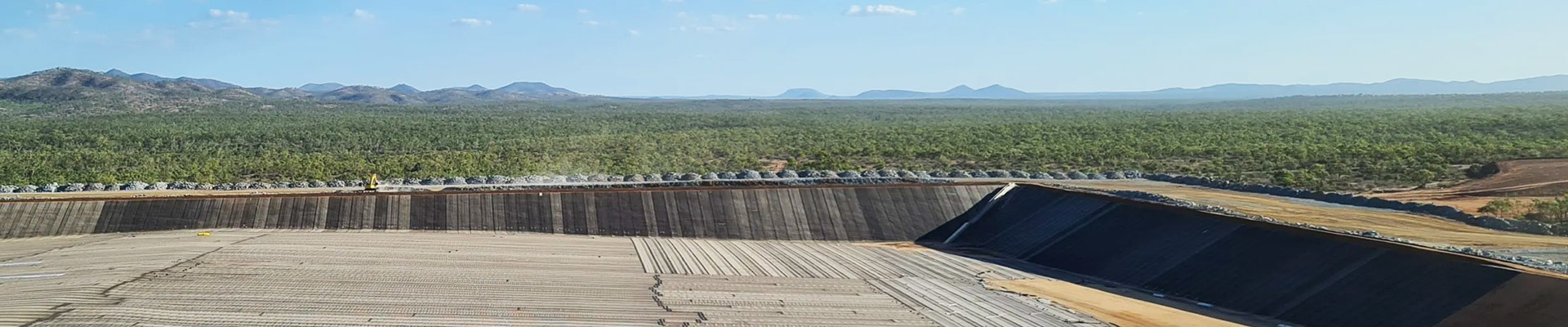
Due to their thickness and puncture resistance, heavy-weight nonwoven geotextiles are used as a protective cushion. They are often placed beneath geomembranes (in landfills or reservoirs) to prevent sharp rocks or roots from puncturing the waterproof liner.
Top Applications in Construction
Where will you typically find our nonwoven geotextiles being used?
Road & Railway Stabilization: Placed between the subsoil and the base course to prevent rutting and extend pavement life.
French Drains & Trench Drains: Wrapping perforated pipes to prevent clogging by silt and sand.
Erosion Control: Used under riprap (large stones) on riverbanks or coastlines to prevent soil erosion while allowing water pressure to dissipate.
Landfill Liners: Protecting impermeable liners from damage during waste placement.
Roof Gardens: Creating a filtration layer in green roof systems to keep the drainage layer clean.

Technical Specifications: How to Choose?
When importing or specifying nonwoven geotextiles, the most important parameter is usually Weight (Mass per unit area), measured in GSM (Grams per Square Meter) or oz/yd².
Lightweight (100–200 GSM): Ideal for filtration, landscape drainage, and separation in light-traffic areas.
Medium Weight (200–400 GSM): The standard for road stabilization, railway construction, and erosion control.
Heavyweight (400–800+ GSM): Required for geomembrane protection in landfills and heavy-duty environmental projects.
Other critical specs include Grab Tensile Strength, CBR Puncture Resistance, and Permeability.
Why Source Nonwoven Geotextiles from Us?
As a leading manufacturer of geosynthetics, we understand that quality and cost-efficiency are your top priorities.
Premium Materials: We use 100% virgin Polypropylene (PP) or Polyester (PET) fibers to ensuring high tensile strength and UV resistance.
Custom Dimensions: We can produce roll widths up to 6 meters to reduce installation time and seams on-site.
Certified Quality: Our products undergo rigorous testing for ASTM and ISO standards.
Conclusion
Nonwoven geotextile fabric is the unsung hero of civil engineering—providing essential filtration, separation, and protection that keeps roads flat and drains flowing.
Are you looking for a reliable supplier for your next project?
Contact Us Today for a free sample and a competitive quote. Our team is ready to assist you with technical data sheets and shipping solutions to your port.
PROJECT CASES

CONTACT US
Email : longxiang@lxgeosynthetics.com
Add : Room 2416, Building 6, China Resources Landmark Plaza, Lixia District, Jinan City, Shandong, China Province
GET A FREE QUOTE
Copyright 2025 : Shandong Longxiang New Materials Co., Ltd. Privacy Policy