Shandong Longxiang New Materials Co., Ltd.
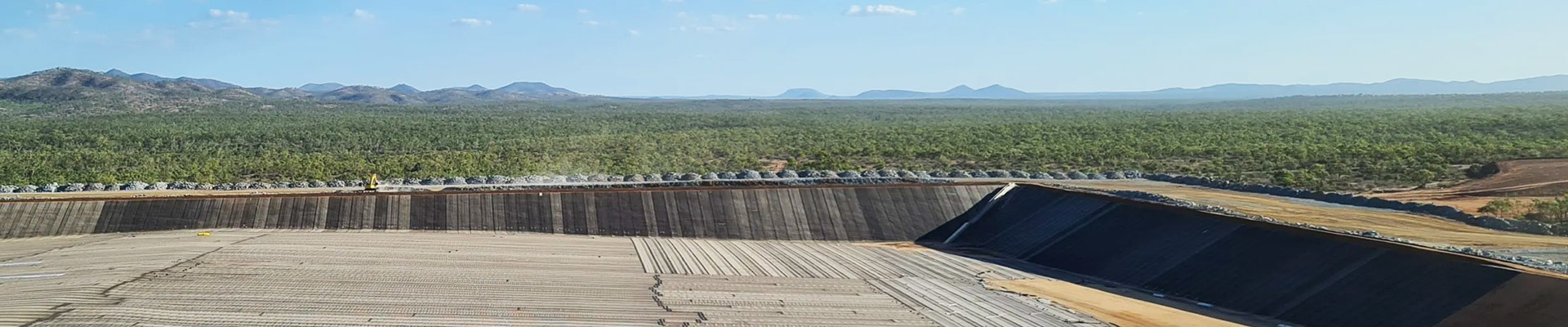
Unveiling the Wonders of Geomembrane Liners: A Game Changer for Waste Management
Release time:
2025-11-18
Discover how Geomembrane Liners are revolutionizing waste management and environmental protection.
Introduction to Geomembrane Liners
Hey there! Ever heard of a Geomembrane Liner? If you're scratching your head, no worries! Let's dive into this fascinating world where science meets practicality, especially in waste management and environmental protection.
What is a Geomembrane Liner?
In simple terms, a Geomembrane Liner is a synthetic membrane used to control fluid or gas migration in a variety of applications. Think of it as a superhero for landfills, ponds, and containment systems! Typically made from materials like high-density polyethylene (HDPE), these liners act as barriers that keep contaminants at bay.
Why Are Geomembrane Liners Crucial?
Now, you might wonder, why all the fuss about Geomembrane Liners? Well, let's break it down:
- Environmental Protection: They prevent harmful substances from leaching into the soil and groundwater.
- Cost-Effective: Investing in these liners can save heaps of cash by avoiding costly clean-ups and fines.
- Durability: These liners can withstand extreme weather conditions, making them a reliable choice.
Applications of Geomembrane Liners
1. Landfills
Let's face it, landfills are a necessary evil. However, with Geomembrane Liners, we can manage waste more effectively. They keep hazardous materials contained, ensuring that our environment remains safe and sound.
2. Mining Operations
In the mining industry, Geomembrane Liners are game changers! They are used to line tailings storage facilities, preventing toxic runoff and protecting our precious water resources.
3. Water Retention
Need to line a pond or reservoir? Look no further than Geomembrane Liners! They create an impermeable barrier that holds water in while keeping contaminants out.
Installation: The Nitty-Gritty
Alright, let's talk turkey! Installing a Geomembrane Liner isn't just a walk in the park. It requires careful planning and execution. Here's how it typically goes:
- Site Preparation: Clear the area, remove debris, and ensure the surface is smooth.
- Material Selection: Choose the right type of geomembrane based on the specific needs of your project.
- Installation: Properly lay the liner, ensuring overlaps and seams are securely sealed.
- Testing: Conduct quality checks to ensure the liner is functioning as intended.
Future Trends in Geomembrane Liners
The future looks bright for Geomembrane Liners! With advancements in technology, we're seeing the development of more eco-friendly materials that can enhance performance while being kinder to our planet. Innovations like biodegradable liners and smart sensors for leak detection are just the tip of the iceberg!
Conclusion: A Step Towards Sustainability
In conclusion, Geomembrane Liners are not just a fad; they are a crucial component in the quest for sustainable waste management and environmental protection. So, next time you think about landfills or hazardous waste, remember the unsung hero—the Geomembrane Liner—working tirelessly behind the scenes to keep our planet safe!
PROJECT CASES

CONTACT US
Email : longxiang@lxgeosynthetics.com
Add : Room 2416, Building 6, China Resources Landmark Plaza, Lixia District, Jinan City, Shandong, China Province
GET A FREE QUOTE
Copyright 2025 : Shandong Longxiang New Materials Co., Ltd. Privacy Policy