Shandong Longxiang New Materials Co., Ltd.
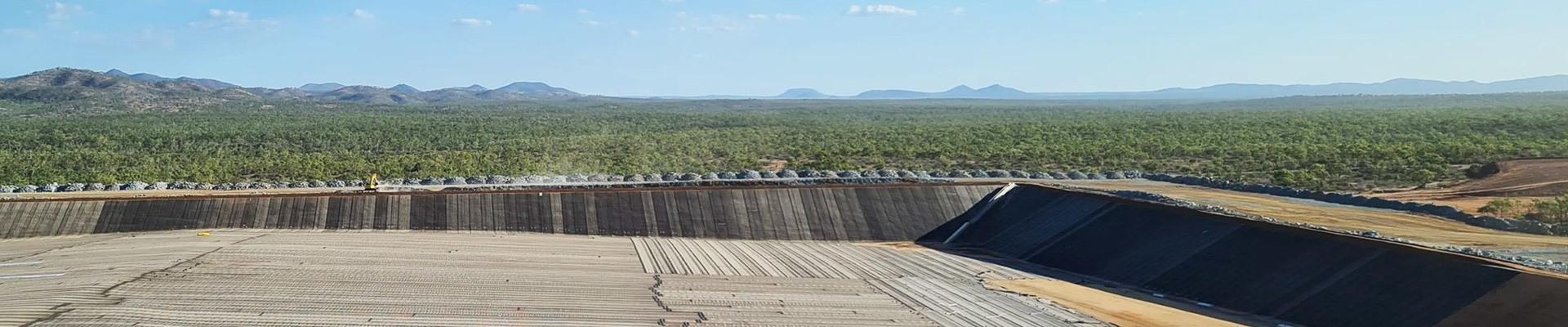
The Ultimate Guide to LDPE Geomembrane: Why Flexibility and Durability Matter
Release time:
2026-02-05
Discover why LDPE geomembrane is the top choice for pond liners and environmental engineering. Learn about its flexibility, chemical resistance, and how it compares to HDPE.
In the world of environmental engineering and containment, choosing the right lining material can make or break a project's long-term success. While many are familiar with HDPE, LDPE (Low-Density Polyethylene) geomembrane has emerged as the "flexible powerhouse" for specific industrial and agricultural needs.
In this guide, we’ll dive deep into what makes LDPE geomembrane unique, its primary applications, and how to choose the right one for your 2026 projects.
What is LDPE Geomembrane?
LDPE geomembrane is a synthetic membrane liner or barrier used with any geotechnical engineering-related material so as to control fluid (or gas) migration in a human-made project, structure, or system.
Unlike its more rigid cousin (HDPE), LDPE is produced with a higher degree of short and long-chain branching, which results in a more flexible and ductile material.
Key Features of LDPE Liners:
Superior Flexibility: Easily conforms to uneven surfaces and complex contours.
High Elongation: It can stretch significantly before breaking, making it ideal for areas prone to ground movement.
Chemical Resistance: Highly resistant to acids, alkalis, and various chemicals.
UV Protection: Modern LDPE liners are treated with carbon black to withstand prolonged sun exposure.
Top Applications: Where LDPE Shines
Because of its ease of installation and adaptability, LDPE is the go-to choice for several key industries:
Agriculture & Aquaculture: Perfect for fish pond liners and irrigation canals due to its non-toxic nature and puncture resistance.
Water Management: Used in reservoir liners and decorative ponds where the terrain might be irregular.
Waste Management: Acts as a reliable barrier in landfill caps (secondary containment) to prevent leachate from contaminating groundwater.
Mining: Ideal for heap leach pads and tailing ponds.
LDPE vs. HDPE: Which One Should You Choose?
This is the most common question we get from international buyers. Here is a quick breakdown to help you decide:
| Feature | LDPE Geomembrane | HDPE Geomembrane |
|---|---|---|
| Flexibility | Excellent (Best for uneven ground) | Rigid (Best for flat surfaces) |
| Stress Cracking | High resistance | Lower resistance than LDPE |
| Installation | Easier to weld and handle | Requires specialized welding equipment |
| Common Use | Pond liners, landfill covers | Mining, hazardous waste landfills |
Why Source LDPE Geomembrane from a Professional Manufacturer?
When dealing with large-scale projects, the quality of your liner is non-negotiable. A premium LDPE geomembrane should meet international standards (such as GRI-GM17).
As a leading supplier, we ensure our products offer:
Consistent Thickness: From 0.5mm to 3.0mm depending on your needs.
Custom Roll Sizes: To minimize on-site welding and reduce leakage risks.
Global Shipping: Optimized logistics to ensure your project stays on schedule.
Conclusion
LDPE geomembrane offers a unique blend of flexibility and strength that rigid liners simply cannot match. Whether you are building a commercial fish farm or managing a complex waste containment site, understanding these material properties is key to your project's longevity.
Are you planning a project for 2026? Contact our technical team today for a free sample and a customized quote based on your specific site requirements.

PROJECT CASES

CONTACT US
Email : longxiang@lxgeosynthetics.com
Add : Room 2416, Building 6, China Resources Landmark Plaza, Lixia District, Jinan City, Shandong, China Province
GET A FREE QUOTE
Copyright 2025 : Shandong Longxiang New Materials Co., Ltd. Privacy Policy